RA 03h 47m · DEC +24° 07′ · TRACKING
Astrophotographer · Engineer · Explorer

Beyond what
the eye can seeA running log of light that left its source before we had a word for light.

ENTER THE OBSERVATORY

Some of this light left its source before the pyramids were built.I spend clear nights making sure it doesn't go unseen.
INDEX

Objects

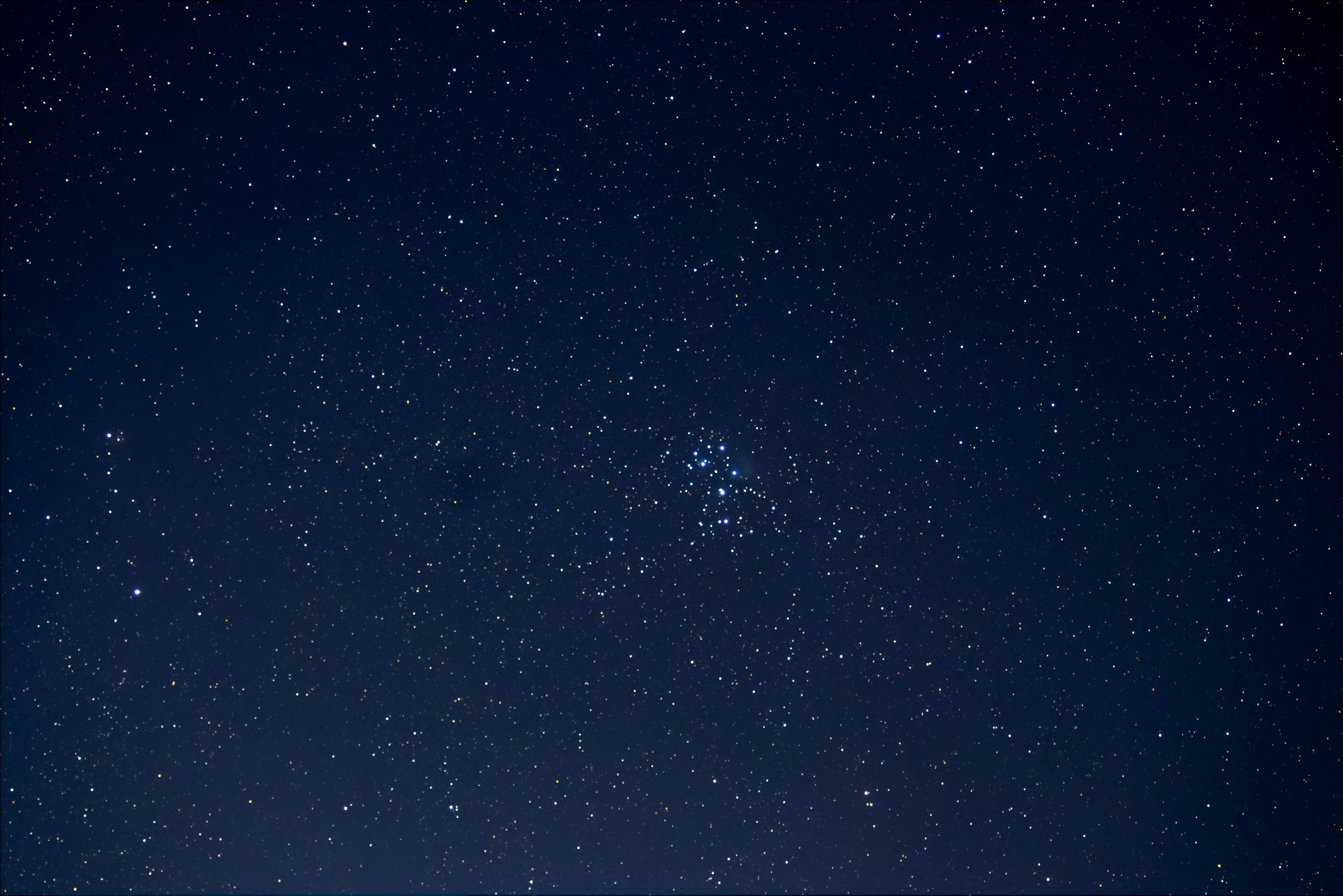
Pleiades
Open Cluster

Pleiades

16 NOV 2025
GSO 6" RC200D II
Open Cluster

Pleiades

EXP 41s
ISO 800
CAMERA 200D II
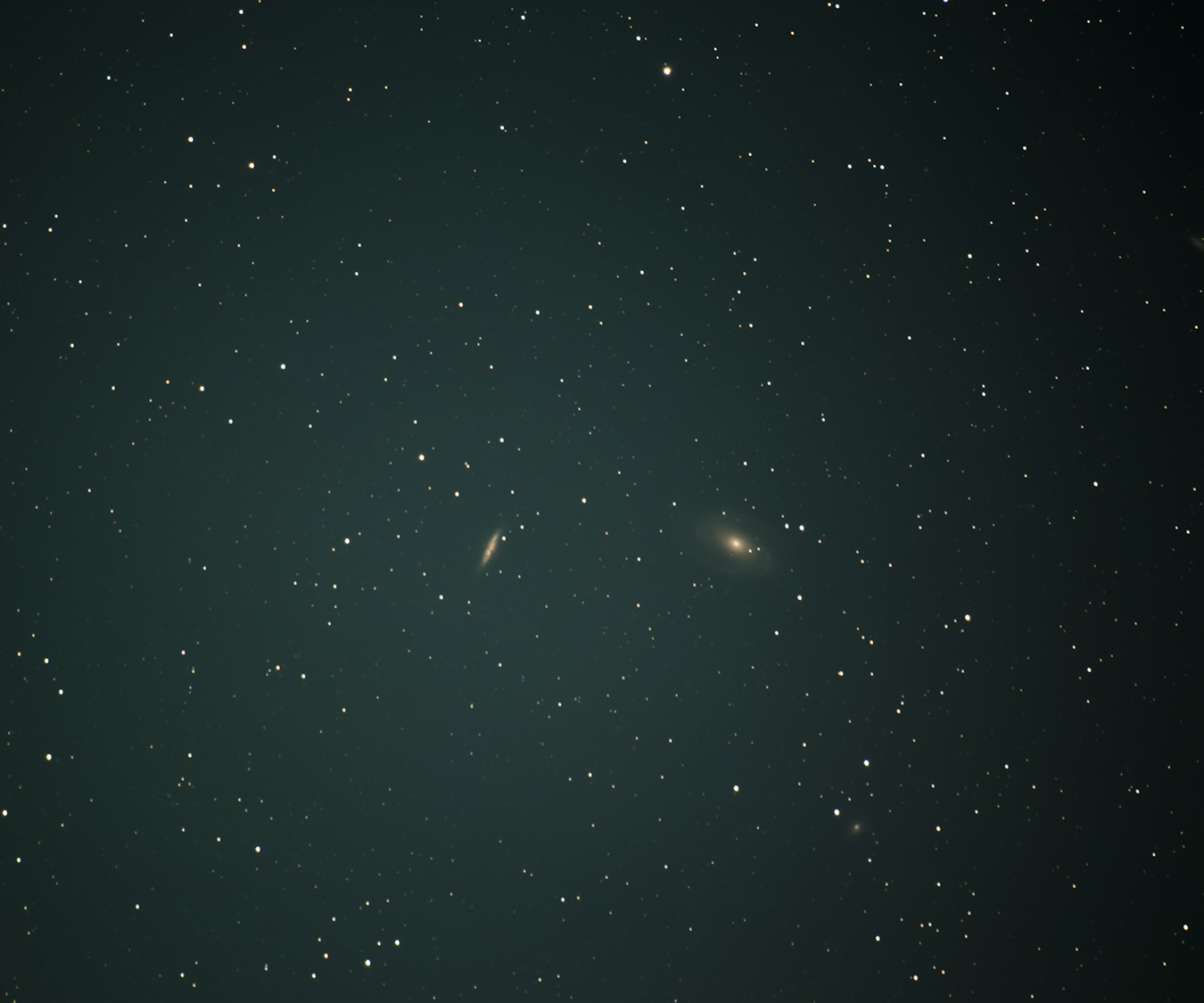
Bode's Galaxy
Galaxy

Bode's Galaxy

16 NOV 2025
GSO 6" RC200D II
Galaxy

Bode's Galaxy

EXP 91s
ISO 800
CAMERA 200D II
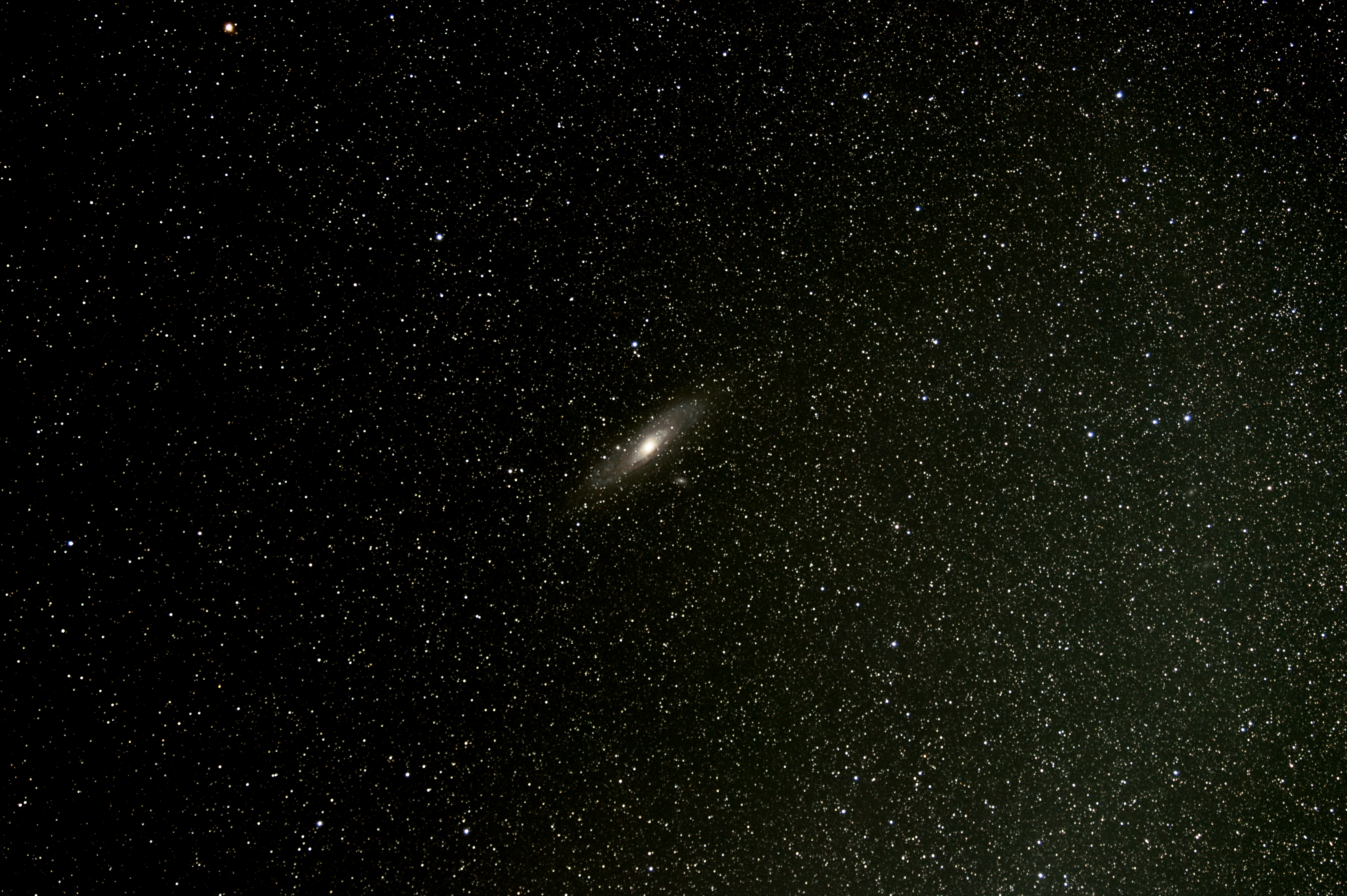
Andromeda Galaxy
Galaxy

Andromeda Galaxy

16 NOV 2025
GSO 6" RC200D II
Galaxy

Andromeda Galaxy

EXP 30s
ISO 800
CAMERA 200D II
View All Objects →
OBJ · 010

Object Detail

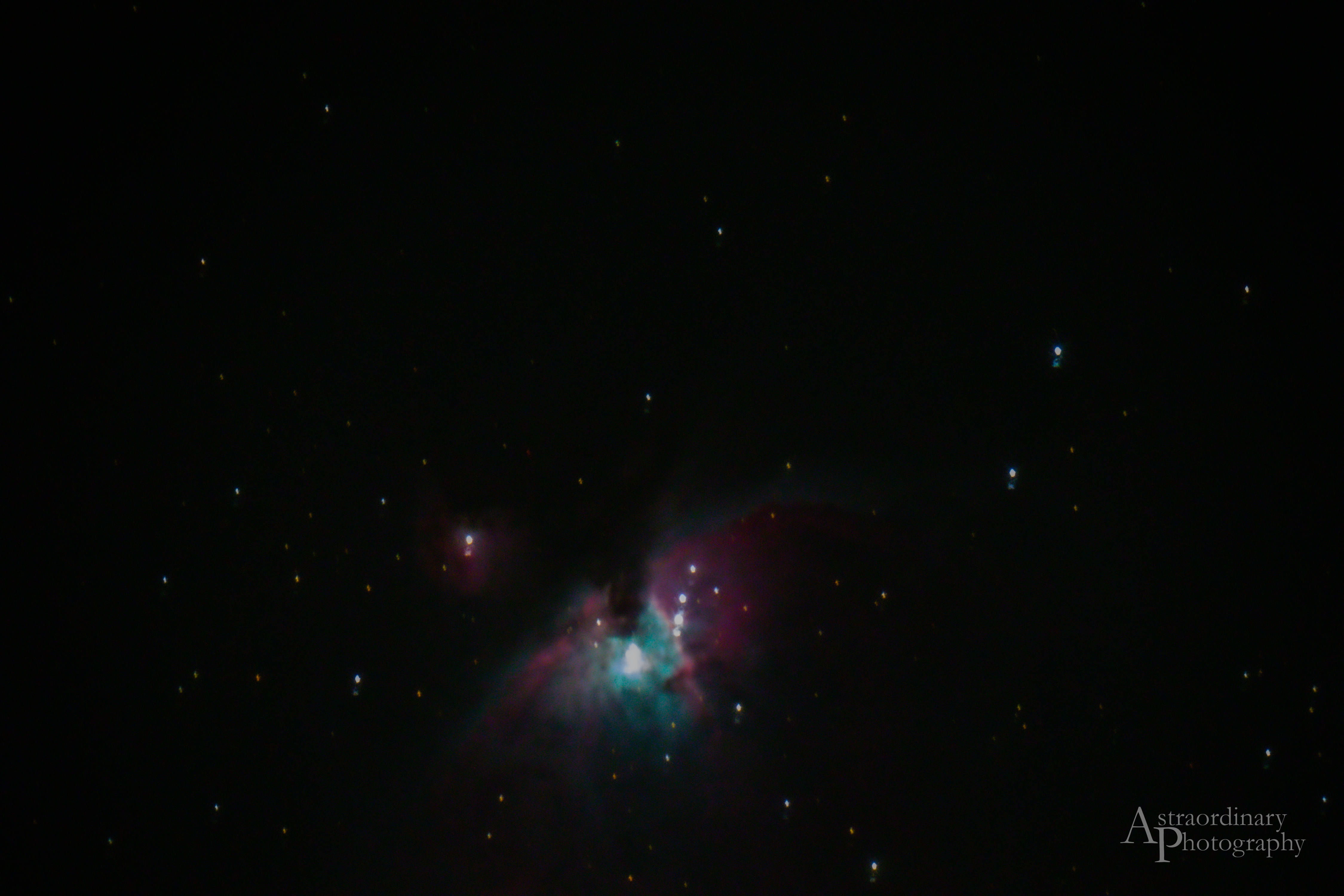
Orion Nebula
LAT 18.52°N200D II
Nebula · Orion Nebula

Second Attempt: The Orion Nebula

Captured 12 April 2024

The Orion Nebula (Messier 42 or M42), located in the Orion constellation, is one of the brightest and most studied nebulae in the night sky, easily visible to the naked eye. Spanning approximately 24 light-years, it serves as a stellar nursery where new stars are born from surrounding gas and dust. The vibrant colors of the nebula arise from ionized gases, particularly hydrogen, creating a stunning display. At about 1,344 light-years away, its proximity adds to its allure. This is my second attempt at capturing the Orion Nebula.
Optical Tube
GSO 6" F/9 RC Astrograph
Camera
Canon EOS 200D Mark II
ISO
12,800
Exposure
30 seconds
View Full Entry →
LOG · 2024.10

Sky Journal

2 OCTOBER 2024

Celestial Hunt: The Quest to Capture Comet C/2022 E3 (ZTF)

Comet C/2022 E3 (ZTF) is a rare celestial visitor that passed through our night skies in early 2023 — last seen from Earth some 50,000 years ago. Its distinctive green glow made it one of the most striking deep-sky targets of the year.

View All Entries →